Friday, October 5, 2018

THE TEMPEST / FESTIVAL SHAKESPEARE EN LA ESCUELA 2018

 THE TEMPEST

This year we decided to read The Tempest in its original version as we always do in 5th year.  After exploring Shakespeare´s biography and the historical, political, social and cultural context, we read the opening scene of Act 1.  We tried to imagine how they might have represented the frightening storm tossing the little ship about during Shakespeare´s times with few resources and rudimentary special effects. We continued reading the play and, as we advanced, students learnt that it was Prospero´s rage and powerful magic, and not simply hostile nature, that had raised the storm that had caused the shipwreck.  Aboard that ship was Antonio, his brother and new Duke of Milan-who had usurped his title and banished him together with his daughter, Miranda-, Alonso and Ferdinand, King and Prince of Naples, noblemen, the boatswain and mariners. Prospero did not want them to perish but to arrive safe and sound on the island where he lived so that he could take revenge on them.
I asked the students to get in small groups and to imagine how they would represent that fierce tempest that Prospero had brought about using whatever kind of dramatic, technological or expressive resource they could think of. They would carry out this project work collaboratively. The idea was to capture, condense and transmit the power and dramatic force of the scene. The students could act it out, make a short film, an animation or a combination of all of them.
While they were working in groups, they came up with different ideas. In spite of not having many resources at hand at school, they used their creativity, they strongly committed, put a lot of effort into it and invested long hours so that they could fulfill their projects.
While they were devising their projects, we read the whole play, we analysed it, we dramatized certain scenes and we watched a binational production with an Argentinian cast directed by the British director Penny Cherns at the General San Martín Municipal Theatre.


Luego de explorar la biografía del autor y el contexto histórico, político, social y cultural de la época, leímos la primera escena del primer acto de “La Tempestad”. Tratamos de imaginar cómo habrían representado la aterradora tormenta que sacudía el pequeño barco en los tiempos de Shakespeare con escasos recursos y rudimentarios efectos especiales. Continuamos leyendo la obra y, luego, los alumnos descubrieron que lo que produjo la tormenta y el posterior naufragio no fue la hostil naturaleza sino el enojo y los poderes mágicos de Próspero. A bordo del barco estaban Antonio, su hermano y nuevo Duque de Milán, quien le había usurpado su título y lo había desterrado junto a su hija Miranda, Alonso y Ferdinando, Rey y Príncipe de Nápoles, nobles y la tripulación. Su propósito no era que perecieran en el naufragio sino que arribaran sanos y salvos a la isla que él habitaba para poder así vengarse de ellos.
Les propuse que imaginaran en pequeños grupos cómo poder representar esa feroz tormenta ya fuera a través de recursos dramáticos, tecnológicos o expresivos.  Debían dar vida a los proyectos colaborativamente. La idea era poder captar, sintetizar y transmitir el poder y dramatismo de la escena. Podría ser llevado a cabo a través de la actuación, un corto, una animación, o la combinación de todos ellos. Mientras trabajaban en grupos, surgieron distintas posibilidades. A pesar de contar con escasos recursos,  usaron su creatividad, se comprometieron y dedicaron mucho esfuerzo y horas de trabajo para lograr variadas producciones.


Mientras realizaban los proyectos, leyeron la obra completa en su versión original, la analizaron y vieron una versión teatral dirigida por Jenny Cherns (directora británica) y interpretada por actores argentinos en el Complejo Teatral de Buenos Aires. 


Photos and testimonies during the process

Fotos y testimonios durante el proceso


Students´ comments on the experience
Testimonios de los alumnos sobre la experiencia


Two of the project works carried out by the students

Dos de los los proyectos de los estudiantes


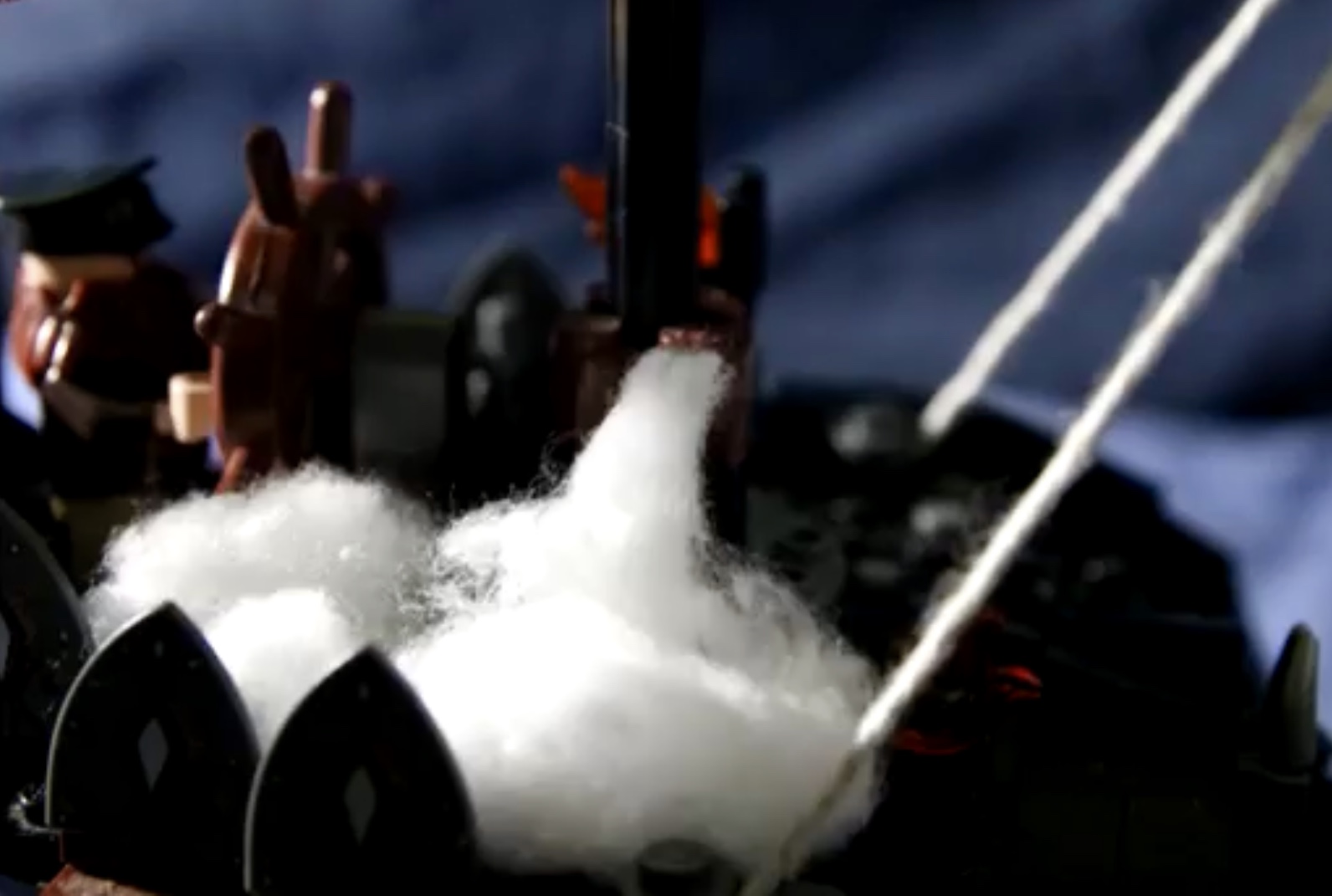
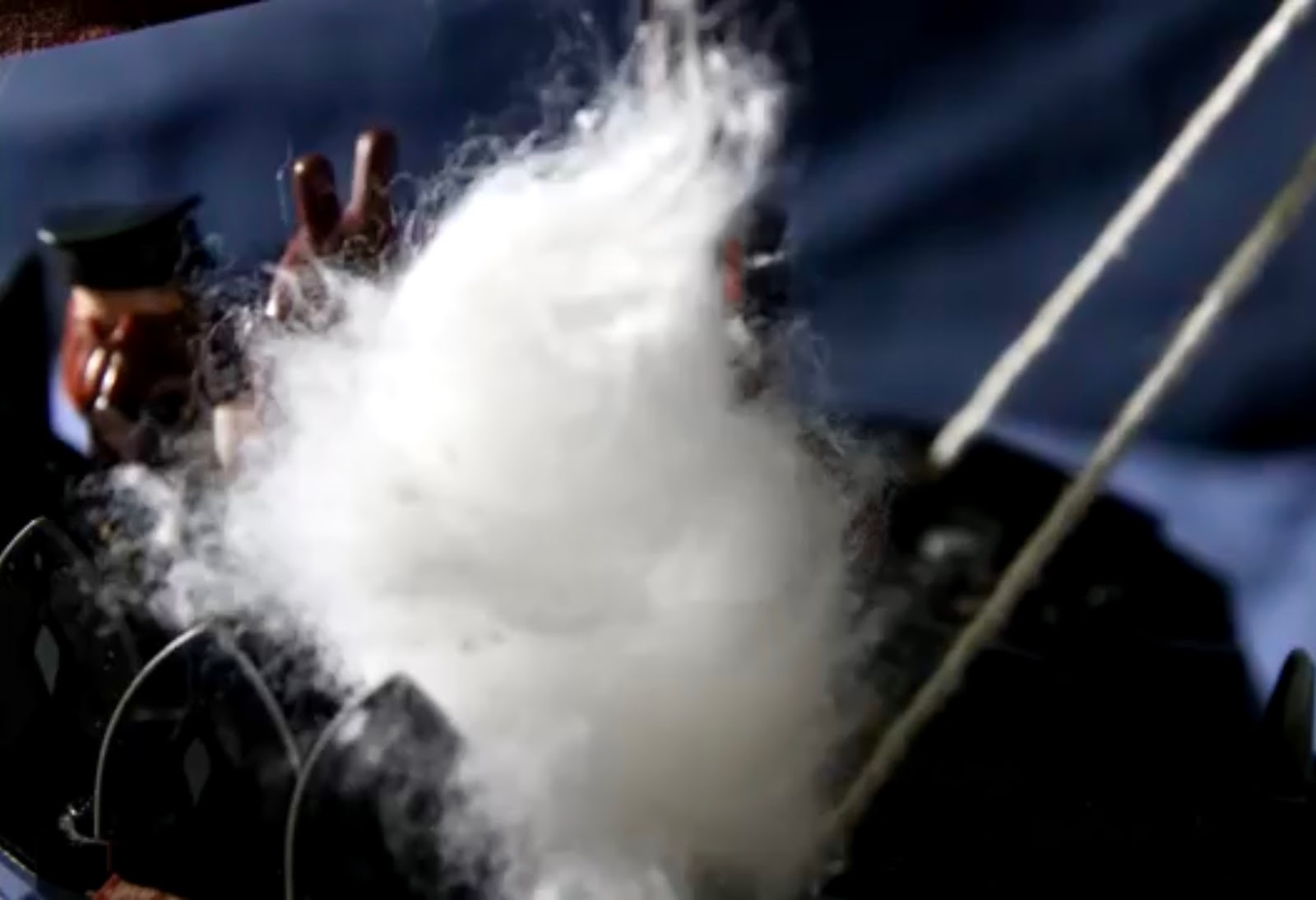
1. The Tempest- Prospero´s raging storm 


1. La Tempestad- La furiosa tormenta de Próspero. 

LEGO STOP MOTION


Animation by Juan Ignacio De Carlo


2. The Tempest- Silent Short Film


2. La Tempestad- Corto Mudo


We shared the projects in class and we were all very satisfied to see how motivated they had been and what excellent results they had achieved. There was one of the projects which was particularly good. We were all fascinated with a Lego Stop Motion Film.  So much so, that we all decided it should take part in the Festival Shakespeare en la Escuela (Shakespeare Festival at School). This Festival is sponsored by the British Embassy and ESSARP (English Speaking Scholastic Association of the River Plate). It would be the perfect setting for us to share our passion for the works of William Shakespeare with other Shakespeare lovers. At this Festival, schools, both public and private from all over Argentina, are given the opportunity to participate and show their productions related to Shakespeare´s life and works in different disciplines: Drama, Poetry, Short Film, Art, Music and Graphic Design.
Fortunately, after taking part in a pre-selection in which more than 200 schools presented productions, our animation film got a place among the 10 finalists. The authors of this animation video were Fiona Chen, Lux Petruzzelli and Juan Ignacio De Carlo.
On September 5th the fourth edition of the Festival Award Ceremony was held at the Teatro de la Comedia. That day our students won the first prize for the Lego Stop Motion Film "Prospero´s Raging Storm"
This award proved to us that we should keep working in this same direction. If students are given the chance to explore, imagine and use their creativity, there are no boundaries to what they can achieve.

Compartimos los proyectos en clase y nos sentimos muy satisfechos por lo motivados que se habían sentido y los excelentes resultados que habían logrado. Hubo un proyecto que fue particularmente bueno. A todos nos fascinó el corto de animación con Legos. Tanto es así, que decidimos presentarlo en el Festival Shakespeare en la Escuela. Dicho festival está auspiciado por la Embajada Británica y ESSARP (English Speaking Scholastic Association of the River Plate). Era el ámbito perfecto para compartir la pasión que sentimos por William Shakespeare y su obra junto a otros amantes del afamado escritor. El Festival permite que las todas escuelas que quieran tomen parte y socialicen sus producciones relacionadas con William Shakespeare y su obra en las disciplinas de Teatro, Poesía, Cortometraje, Plástica, Música y Diseño Gráfico.
Afortunadamente, luego de participar de una preselección en la que se presentaron proyectos de más de 200 escuelas de todo el país, públicas y privadas, nuestro cortometraje quedó entre los 10 finalistas. Los autores de dicho trabajo fueron Fiona Chen, Lux Petruzzelli y Juan Ignacio De Carlo.
El 5 de septiembre se realizó la ceremonia de premiación del Festival, que va por su cuarta edición, en el Teatro de la Comedia. Nuestros alumnos merecieron el primer premio en Cortometraje por el corto animado La Furiosa Tormenta de Próspero.
Este premio nos demuestra que estamos en la senda correcta. Si se les da a los alumnos la posibilidad de explorar, imaginar, soñar y hacer uso de su creatividad, no existen límites para lo que puedan lograr.


Fiona Chen, Lux Petruzzelli y Juan Ignacio De Carlo con su diploma.


PROSPERO´S RAGING STORM
LA FURIOSA TORMENTA DE PRÓSPERO


Monday, May 25, 2015

ACCOUNT AND EVALUATION OF THE EXPERIENCE/RELATO Y BALANCE DE LA EXPERIENCIA

We Go Shakespeare


"If Chance will have me King, why, 
Chance may crown me, without my stir"


MACBETH


Throughout these last years we have been reading, analysing and working Macbeth in its original version in senior school at IES en Lenguas Vivas ¨Juan Ramón Fernández¨. 

In 2014, due to the celebrations for William Shakespeare's 450th birth anniversary and to participate in the series of events organised by Celebrating Shakespeare at our institution, we thought about carrying out a collaborative experience which involved the four divisions of fifth year in the staging of our own version of the play.
To that end, we elaborated the project which we denominated We Go Shakespeare.
During the first stage, each fifth year read the play in its original version, analysed it and, then, condensed one act of the play. Once this instance was concluded, we compiled and edited the final version which was later staged. Every student participated in this project work in some way, either acting or taking part in the groups in charge of scenery, props, sound, special effects, flyers, posters and invitations. We worked throughout the whole year in order to represent it before the school students, authorities, parents and members of the educational community.
Finally between November and December we presented the play three times.
This experience was both rewarding and invaluable not only for those who carried it out but also for those who could watch it and enjoy it.
Those who took part in the project could approach Shakespeare's text in a significant a memorable way but also enjoy it. Those who acted could not only fully and thoroughly assimilate the text but also impersonate it and appropriate it. Those who were spectators discovered the true sense of a theatrical representation. 
We feel really proud to have been able to carry out such an ambitious collaborative project work in a public school. Having been able to involve both students and teachers in an artistic experience, such as the staging of a play is no small feat, as it is to continue working with Shakespeare's texts in their original versions, something not very common these days.


A lo largo de los últimos años en el IES en Lenguas Vivas «Juan Ramón Fernández» hemos leído  y trabajado Macbeth en versión original en quinto año del Nivel Medio.
En 2014, a propósito de las celebraciones del 450 aniversario del natalicio del dramaturgo inglés William Shakespeare y, para sumarnos a la serie de eventos de Celebrating Shakespeare,pensamos en llevar a cabo una experiencia  colaborativa que involucrara a las cuatro divisiones de quinto  año en la puesta en escena de nuestra propia versión teatral de Macbeth.
Con tal motivo elaboramos el proyecto  y lo denominamos We Go Shakespeare.
En una primera instancia cada quinto año leyó la obra en su versión original, la analizó y, luego, condensó un acto de la obra. Una vez concluida esta etapa, compilamos y editamos la versión final que llevamos a escena .Todos los alumnos participaron del proyecto de alguna manera, ya sea participando del grupo de actuación o de los grupos de escenografía,utilería, sonido, efectos especiales,folletería, posters e invitaciones. Trabajamos durante todo el año para poder representar la obra para los alumnos de la escuela, autoridades, padres y miembros de la comunidad educativa.
Finalmente, entre noviembre y diciembre hicimos tres funciones.
Dicha experiencia fue de un valor inestimable tanto para quienes la realizamos como para quienes tuvieron la oportunidad de verla.
No sólo pudieron, quienes tomaron parte en la obra, aproximarse al texto de Shakespeare de una manera mucho más significativa y memorable sino que también la disfrutaron. Quienes actuaron pudieron comprender el texto cabalmente, apropiárselo y encarnarlo y, quienes fueron observadores descubrieron el verdadero sentido de una representación teatral.
Es realmente un orgullo poder haber llevado a cabo un proyecto colaborativo tan ambicioso en la escuela pública. No es menor haber podido involucrar a alumnos y docentes en una experiencia artística,  como lo es la escenificación de una obra, y, a la vez, continuar trabajando textos de Shakespeare en versión original, algo nada frecuente en los tiempos que corren.


FESTIVAL SHAKESPEARE BUENOS AIRES/ FESTIVAL SHAKESPEARE EN LA ESCUELA


The Fifth Edition of the Festival Shakespeare Buenos Aires was held from February 20th to 28th, 2015. Within the festival there was an educational space devoted to Celebrating Shakespeare and to the most significant presentations that had been delivered in 2014 to commemorate Shakespeare's 450th anniversary.
Different speakers enlightened the audience with their research on different works and disciplines. We were invited to share our experience of teaching and staging Shakespeare at a public secondary school with scarce resources. It was a great honour to have been selected among prestigious teachers and experts in Shakespeare to let the general puplic know about our challenging enterprise.

El Festival Shakespeare Buenos Aires se llevó a cabo entre el 20 y el 28 de febrero de 2015. en el marco del festival hubo un espacio educativo dedicado a Celebrating Shakespeare y a las presentaciones más destacadas que tuvieron lugar en 2014 para conmemorar el 450 aniversario del nacimiento de Shakespeare, Distintos oradores deleitaron a la audiencia con sus investigaciones sobre diferentes obras y disciplinas. Fuimos invitados a compartir nuestra experiencia de cómo enseñar y cómo llevar al escenario una versión abreviada de una obra de Shakespeare en idioma original realizada por alumnos en una escuela pública de escasos recursos. Fue un honor haber sido seleccionados entre tantos académicos y expertos en Shakespeare para disfundir nuestro desafío.


Festival Shakespeare Buenos Aires- Celebrating Shakespeare


FESTIVAL SHAKESPEARE EN LA ESCUELA

As a result of the great experience we had had with Macbeth in 2014, this year some of the students decided to participate in the Festival Shakespeare en la Escuela  (Shakespeare Festival at School)  sponsored by the British Embassy and ESSARP (English Speaking Scholastic Association of the River Plate) since it was the perfect setting for them to share their passion for Shakespeare’s works. The Festival offered the possibility of presenting productions either in Spanish or in English in Drama, Poetry, Art, Music and Short Films. More than 200 public and private schools took part in the event.
One of our 5th year male students entered the competition with a sonnet he wrote in Spanish based on The Tempest and got the first prize in Poetry. And three girls competed with a play they wrote in which they made Lady Macbeth and Juliet converse about their tragic fates and they got the third prize for their play.

Como resultado de la gran experiencia que tuvimos con Macbeth en 2014, este año algunos de nuestros alumnos decidieron participar en el Festival Shakespeare en la Escuela auspiciado por la Embajada Británica y ESSARP (English Speaking Scholastic Associationof the River Plate) ya que era el ámbito perfecto para que pudieran compartir su pasión por la obra de Shakespeare. El Festival ofrece la posibilidad de presentar producciones tanto en Español como en Inglés en las disciplinas de Teatro, Poesía, Dibujo, Música y Cortometrajes. Más de 200 escuelas tanto públicas como privadas tomaron parte en este evento.
Uno de nuestros alumnos de 5to año participó de la competencia con un soneto de su autoría sobre La Tempestad y obtuvo el primer premio en Poesía. Y tres alumnas escribieron una breve obra de teatro en la cuál Lady Macbeth y Julieta dialogaban sobre sus trágicos destinos y obtuvieron el tercer premio por su obra de teatro.


Thursday, November 27, 2014

SOME PICTURES AND VIDEOS OF THE FIRST PERFORMANCE/ ALGUNAS FOTOS Y VIDEOS DE LA PRIMERA FUNCIÓN

Flyer
Volantes


The witches
Las brujas


Lady Macbeth receives a letter from her husband
Lady Macbeth recibe carta de Macbeth


Macbeth and Lady Macbeth plan Duncan's murder
Macbeth y Lady Macbeth planean la muerte de Duncan


The Banquet Scene
La escena del banquete


Macbeth's second encounter with the witches
Segundo encuentro de Macbeth con las brujas


Lady Macbeth speaks in her sleepwalk
Lady Macbeth habla sonámbula


SOCIALISING OUR PROJECT WITHIN CELEBRATING SHAKESPEARE ACTIVITIES/ SOCIALIZANDO EL PROYECTO EN EL MARCO DE LAS ACTIVIDADES ORGANIZADAS POR CELEBRATING SHAKESPEARE


As part of the talks and events organised by Celebrating Shakespeare, we were invited to socialise our experience and to share with colleagues and student teachers how we dealt with Shakespeare in our secondary school classrooms. We spoke about the creative activities we made students carry out for prediction, before actually reading the play, as well as the while and follow-up reading tasks. Moreover, we explained the project work we were carrying out to stage the students' version of Macbeth at the end of the year.

Como parte de las charlas y eventos organizados por Celebrating Shakespeare, fuimos invitadas a socializar nuestra experiencia con pares y alumnos del profesorado y a contar cómo trabajamos con con Shakespeare en la escuela secundaria. Hablamosdel tipo de actividades creativas que realizamos en torno a la obra antes de comenzar la lectura, durante la misma y una vez finalizada ésta. Asimismo socializamos el proyecto que nos convocó para que hiciéramos la puesta en escena de nuestra propia versión de Macbeth a fin de año.

REHEARSAL OF SOME OF THE SCENES/ ENSAYO DE ALGUNAS ESCENAS

Macbeth and Banquo's encounter with the witches
El encuentro de Macbeth y Banquo con las brujas


Sunday, November 2, 2014

SOME PICTURES DURING REHEARSALS/ ALGUNAS FOTOS DURANTE LOS ENSAYOS

Banquet Scene
La escena del Banquete


                                             Macbeth's second encounter with the witches
                                          El segundo encuentro de Macbeth con las witches


The show of eight kings followed by Banquo
La aparición de ocho reyes seguidos por Banquo

Monday, October 13, 2014

PROBLEMS CONTINUE / CONTINÚAN LAS COMPLICACIONES

It is really very difficult to count on the students to rehearse the different scenes. In addition to the fact that they keep up missing lessons, there are unplanned school activities which conspire against the continuity of rehearsals such as the two-week end of the year trip, the Spring Party, school visits, days devoted to educational plan changes, to institutional meetings, entrance examinations, students' assemblies, examination boards, end of the year parties, talks, bomb scares, evacuation procedures, etc. All these events delay rehearsals, decisions on entrances and exits and the assembly of scenes.

Resulta sumamente difícil contar con la presencia de los alumnos para ensayar las distintas escenas. Además de que los alumnos continúan faltando a clase, las actividades y eventos escolares  no favorecen la continuidad ; dos semanas de viaje de egresados, Fiesta de la Primavera, salidas educativas, Jornadas NES, Jornadas Institucionales, Exámenes de Ingreso, asambleas convocadas por el Centro de Estudiantes, mesas de exámenes con asueto para los alumnos, fiestas de egresados, charla Tu Voto, Mi voto, evaluaciones FESBA, amenazas de bomba, simulacros de evacuación, desratización, etc. Todos estos eventos retrasan la marcación de las escenas, los ensayos, el poder ensamblarla.

Wednesday, September 24, 2014

TECHNIQUES TO APPROACH CHARACTERS, THEIR MENTAL STATES AND AFFLICTIONS /TÉCNICAS PARA ABORDAR LOS PERSONAJES, SUS ESTADOS DE ÁNIMO Y TRIBULACIONES


Still and Moving
Estático y en Movimiento


                        Whispering the scene
                        Susurrando la escena


Shouting the scene
Gritando la escena

Monday, September 22, 2014

EXERCISES TO EXPLORE CHARACTER'S MOTIVATION AND STATE OF MIND/ EJERCICIOS PARA EXPLORAR LAS MOTIVACIONES DE LOS PERSONAJES


Exploring Macbeth's Mind
Explorando la Mente de Macbeth


Back to back- Macbeth and Lady Macbeth
Espalda con Espalda- Macbeth y Lady Macbeth


A Girl Searching for Macbeth
Una Mujer Buscando a Macbeth


A Boy Searching for Lady Macbeth
Un varón Buscando a Lady Macbeth


Teacher in role/ Student as Director
Profesor en rol / Alumno Director

Thursday, September 18, 2014

WARM-UP EXERCISES IN THE PLAYGROUND/ EJERCICIOS DE CALDEAMIENTO EN EL PATIO


NOT A BED OF ROSES / NO ES UN LECHO DE ROSAS

After having started very enthusiastically with a tentative group of actors, some of them began missing lessons and attending the workshop intermitently. It was very difficult to work with different students each time, and not to be able to consolidate a solid group and to select those who would play the different parts.
Both teachers and students agreed that after they all returned from their end of school trip, which would last two weeks, they would compromise and and they would not miss lessons. Roles would be assigned and we would start with more formal rehearsals.
Upon their return, lessons were cancelled for there was no water at the school premises and during the same week, there were no classes for it was Teacher's Day.
The day before lessons were resumed, we sent a message to all of the students reminding them that they had to attend the workshop the following day. To our surprise, only five students turned up. Most of them excused themselves by saying that, as they had had some free periods and they had been exempted from their lessons, they didn't want to wait until past midday to attend the workshop.
All in all, it is very difficult to form a group and to get to know students well to define who will play which role, especially, if we keep having different students every class.


Después de haber iniciado las actividades con mucho entusiasmo con un grupo tentativo de alumnos que asistían al taller intermitentemente, nos propusimos todos, docentes y alumnos, que cuando volviesen del Viaje de Egresados,  que los mantendría dos semanas fuera del aula, se constituiría definitivamente el grupo que interpretaría la obra, no faltarían a clase y se asignarían los personajes.
El día que los alumnos volvieron a la escuela después de su viaje, se suspendieron las clases por falta de agua, y esa misma semana, no hubo clases por el día del maestro. El lunes 15 les enviamos un mensaje recordándoles que los esperábamos al día siguiente para trabajar. El martes cuando, después del largo receso, pensábamos que asistirían todos los que se habían comprometido a hacerlo, vinieron sólo 5 alumnas.
La mayoría argumentó que como los habían liberado de sus tareas a las 11:00 decidieron no esperar hasta las 13:00 en que empezaba el taller.
En conclusión: es muy difícil constituir un grupo y conocer a los alumnos para definir quiénes interpretarán los roles, si a los distintos encuentros siempre acuden alumnos diferentes.

Wednesday, July 16, 2014

DRAMA EXERCISES TO APPROACH THE PLAY /EJERCICIOS DRAMÁTICOS DE APROXIMACIÓN A LA OBRA

Once all the different groups: Acting, Sound and Special Effects, Scenery and Props, Flyer and Poster Design were formed, each fifth year teacher became the leader of one of the groups and coordinated the tasks of her students over the next few months.
As I was in charge of the Acting Group and writing and keeping the blog updated, most of the information found here was registered by me.

Una vez que los grupos de Actuación, Sonido y Efectos Especiales, Escenografía y Utileria, y Folleteria y Posters quedaron conformados, cada docente se hizo cargo de un equipo de trabajo y coordinó las tareas durante los sucesivos encuentros en los meses siguientes.
Como yo estaba a cargo del grupo de actuación y de escribir y mantener el blog actualizado, la mayor parte de la información que se halla aquí fue registrada por mi.

Acting Group
Exercises to approach the play

Using silence, body language and gestures as a starting point 


Grupo de Actuación
Ejercicios de aproximación a la obra

Trabajando a partir del silencio, la expresión corporal y la gestualidad


                                    Macbeth's First Encounter with the Witches
Primer encuentro de Macbeth con las brujas


Same scene but adding gibberish, sounds and exclamations
La misma escena pero agregando palabras sin sentido, sonidos y exclamaciones


Immersing Students in Acting

At the beginning we started approaching the different scenes using various dramatic techniques to make students relate to each other, lose their inhibitions and to grasp what was going on among the characters, their motivations and inner feelings. As they were not used to acting and they had limited linguistic resources, at first we resorted to performing the scenes silently, making use of non-verbal features such as gesture and body language. It was amazing to see how resourceful students were when it came to physicalising scenes. Little by little we added improvisations and, in spite of the limited vocabulary of some of the students, most of them were able to communicate their intentions, emotions and doubts effectively and to use language spontaneously. Through these activities we tried to bring together mind and body, balancing physical, emotional and intellectual aspects of learning.
At a later stage we empowered the students by giving them the chance of directing their own scenes and making their own choices.  We asked boys to play the roles of women and vice versa so they could get a different perspective and then we encouraged them to reflect upon the role of men and women at the time the events took place. We made them read back to back to focus on listening, to shout and whisper their soliloquies so that they would find the right tone and strength for what they wanted to say, to move and to stay still.  It was a laboratory in which we all experimented, took risks and learned from each other.
After each exercise and scene we all reflected on our work and on what we had discovered. We presented different points of view and discussed new strategies to approach different challenges. It was truly collaborative work.
Both the dramatic exercises and the reflective moments fostered the use of the four skills. Students had to read and listen carefully, write letters or notes to other characters and speak all the time to interact, express their opinions, make decisions and to negotiate. They felt the genuine need to communicate, to take risks with language and to experience the connection between thought and action.
The conventional English classroom hardly ever gives the students the opportunity to use the language so much and to acquire fluency. Students neither get the chance of having exposure to spoken English outside the classroom nor of interacting with native speakers on authentic matters. Drama prepared them to face their immediate world better as competent users as they got an opportunity to use the language in operation. They did not only exploit the linguistic resources available but also acquired new linguistic forms and incorporated them to their repertoire in a significant and memorable way.


Sumergiendo a los Alumnos en la Actuación


Al comienzo nos aproximamos a las distintas escenas utilizando diversas técnicas dramáticas para hacer que los alumnos se relacionaran entre ellos, perdieran sus inhibiciones y comprendieran qué sucedía entre los personajes, sus motivaciones y sus sentimientos más íntimos. Como no estaban habituados a actuar y tenían recursos lingüísticos limitados, al principio recurrimos a hacer las escenas sin hablar, haciendo uso de recursos no verbales como gestos y expresión corporal. Fue sorprendente ver qué ingeniosos eran cuando tenían que representarlas sólo a través del cuerpo. Poco a poco fuimos agregando improvisaciones y, a pesar del vocabulario limitado de algunos alumnos, la mayoría de ellos pudieron comunicar sus intenciones, emociones y dudas de manera efectiva y utilizar la lengua extranjera espontáneamente. El propósito de estas actividades era que pudiesen aunar mente y cuerpo, encontrando un equilibrio entre distintos aspectos físicos, emocionales e intelectuales del aprendizaje. 
En una etapa posterior les otorgamos mayor poder a los alumnos permitiéndoles dirigir sus propias escenas y hacer sus propias elecciones. Les pedimos a los varones que hicieran los papeles de las mujeres y vice versa para que pudiesen tener una perspectiva diferente y luego los estimulamos para que reflexionaran acerca del rol que ocupaban los hombres y las mujeres en la época en que transcurrían los hechos. Los hacíamos leer espalda con espalda para que se concentraran en escuchar, susurrar y gritar los soliloquios para que encontraran el tono y la fuerza apropiados para lo que querían expresar, moverse y quedarse estáticos. Era un laboratorio en el cual todos experimentábamos, corríamos riesgos y aprendíamos de todos.
Al finalizar cada ejercicio y escena reflexionábamos acerca de nuestro trabajo y de nuestros hallazgos. Presentábamos distintos puntos de vista e intercambiábamos nuevas estrategias para enfrentar diferentes desafíos. Era un trabajo verdaderamente colaborativo.
Tanto los ejercicios dramáticos como los momentos reflexivos promovían el uso de las cuatro habilidades. Los alumnos tenían que leer y escuchar con atención, escribir cartas o notas a otros personajes y hablar e interactuar todo el tiempo, expresar sus opiniones, tomar decisiones y negociar. Sentían la necesidad genuina de comunicarse, de tomar riesgos con la lengua extranjera y experimentar la conexión entre pensamiento y acción. 
Rara vez la clase convencional de inglés les da a los alumnos la oportunidad de usar mucho la lengua extranjera y de adquirir fluidez. Los alumnos, a menudo, no tienen la posibilidad de estar en contacto con la lengua oral fuera del aula ni tampoco de interactuar con hablantes nativos sobre temáticas auténticas. El teatro los preparó para enfrentar mejor el mundo circundante como usuarios competentes ya que tuvieron la oportunidad de hacer uso de la lengua extranjera operativamente. No sólo explotaron los recursos lingüísticos disponibles sino que también adquirieron nuevas estructuras lingüísticas y las incorporaron a su repertorio de manera significativa y memorable.